★★★★☆4.0(353 reviews)
Textile Quilt Pattern for Business Embroidery
First Impressions: A Timeless Design with Versatile Appeal
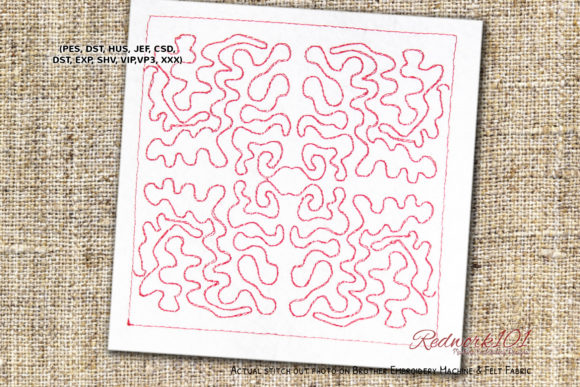
The Textile Quilt Pattern immediately stands out as a design that bridges the gap between classic and contemporary. From its title and description, it exudes a sense of craftsmanship and premium quality, which is essential for small business owners looking to elevate their brand through embroidered merchandise. The mention of optional box stitches and color variations suggests flexibility—an important trait for a machine embroidery design intended for branded patches and custom apparel. This pattern feels handmade yet professional, making it ideal for businesses aiming to convey authenticity without sacrificing visual polish. Whether you're designing for a cozy café, a boutique, or an Etsy shop, the Textile Quilt Pattern can add subtle texture and character to your products while maintaining a clean, elegant look.Business Applications: Where This Design Shines
As a seasoned embroidery designer, I've evaluated countless digital embroidery files, but the Textile Quilt Pattern offers something unique—its ability to work well in both branding accents and functional embellishments. Here are some real-world use cases where this design performs admirably:Staff Uniforms and Aprons
The intricate nature of the quilt pattern adds a touch of sophistication to workwear. When used as a chest logo accent or sleeve detail on aprons, it subtly reinforces a handmade product ethos. It works especially well with light-colored uniforms and cotton blends, where the stitching can breathe and stand out.Caps and Tote Bags
For cap embroidery, consider using the Textile Quilt Pattern as a secondary design element rather than a front-and-center logo. Its moderate stitch density allows it to sit comfortably on curved surfaces without distorting. On tote bags, it serves as an excellent background motif or border pattern, enhancing the visual consistency of your brand across multiple items.Where Caution Is Needed: Practical Limitations
- Small Patch Sizes: If you plan to use this design at a very compact size (under 2 inches), test it first. Fine details may get lost, and high stitch density could lead to puckering.
- Cap Fronts: Due to the curvature of caps, the pattern might stretch or lose its definition unless properly adjusted. Consider using a simplified version or reducing stitch density.
- Curved Surfaces: Similar to caps, curved surfaces like sleeves or hooded jackets require careful placement and possibly a segmented approach to maintain clarity and shape.
- Tiny Lettering: Avoid combining this design with extremely small fonts. The complexity of the pattern can make lettering hard to read and diminish its impact.
- High Stitch Density Areas: In regions with tight stitching, such as corners or edges, the design might cause tension issues. Always inspect spacing and adjust as necessary.
- Textured Fabric: While the pattern looks great on smooth materials, textured fabrics like canvas or denim may affect stitch laydown. Test on actual fabric before mass production.
- Dark Uniforms: The contrast of the pattern may be reduced on darker backgrounds. Review thread colors carefully to ensure visibility and brand recognition.
- Frequent Washing Items: If the design is applied to items that will undergo regular laundering (like aprons or work shirts), confirm that the stitch count and stabilizer choice allow for durability.
Brand Identity and Customer Perception
A strong brand identity is built on consistent visuals, and the Textile Quilt Pattern can play a key role in shaping that. Its rustic yet refined aesthetic appeals to audiences who value tradition, craftsmanship, and attention to detail—perfect for local cafés, pet brands, or flower shops looking to stand out. When used strategically, the pattern enhances customer trust by signaling quality and intentionality. People notice when a small business goes the extra mile, and a well-placed embroidered design can make all the difference in how your small business merch is received. Additionally, the pattern supports visual consistency across different product types. Whether it’s on a tote bag or a staff uniform, the same motif can tie together your entire line of branded products, reinforcing brand recognition and increasing buyer engagement.Designer Tips for Using Textile Quilt Pattern Effectively
To ensure the best outcome when working with this machine embroidery design, here are some practical notes from my experience:- Test in Black and White First: Before finalizing thread colors, do a mock run in black and white to evaluate contrast and visibility.
- Check Small Patch Performance: Resize the design to see how it holds up at smaller dimensions. Look for any distortion or loss of detail.
- Review Thread Color Contrast: Choose thread colors that complement your brand palette and stand out against the fabric base. Avoid using similar shades on dark backgrounds.
- Inspect Spacing and Layout: Ensure that the pattern doesn’t overcrowd the design area. Leave room for other elements like logos or text.
- Confirm Hoop Size: The hoop size required for the Textile Quilt Pattern isn’t specified, so always verify based on the design's dimensions. Larger patterns may need a bigger hoop for stability.
- Test on Real Fabric: Do a sample run on the actual material you’ll be using—whether it’s cotton, linen, or synthetic blends—to check stitch behavior and fabric compatibility.
- Use Proper Stabilizer: Given the potential for high stitch density in some areas, using the right type of stabilizer (cutaway, tear-away, or wash-away) is crucial for preventing puckering and ensuring longevity.
- Create a Printable Mockup: Show clients how the design will look on finished products like caps, tote bags, or aprons. Use a printable mockup to speed up the approval process.
- Compare Beside Other Design Assets: Make sure the Textile Quilt Pattern complements your existing branding elements and doesn’t clash with your primary logo or other motifs.
- Confirm Commercial Licensing: As with any digital embroidery file, especially those from the Intricate Cuts category, double-check licensing terms before using it in commercial projects. Some files may only be suitable for personal or limited-use embroidery.
Final Thoughts: A Thoughtful Addition to Your Brand Toolkit
The Textile Quilt Pattern is more than just a decorative element—it’s a strategic asset for small businesses looking to build a memorable and authentic brand presence. Its versatility makes it suitable for a wide range of applications, from embroidered patches to custom apparel accents, and it brings a level of sophistication that can enhance everything from tote bag designs to apron embroidery. However, like any embroidery file, it requires thoughtful planning and testing to ensure it meets your brand's needs and quality standards. With the right preparation and attention to detail, the Textile Quilt Pattern can become a signature part of your brand identity, helping you create finished products that resonate with your audience and reflect your values. Whether you're an embroidery shop owner, a handmade brand creator, or an Etsy seller, incorporating this design into your design assets library can open up new possibilities for your commercial embroidery offerings. Just remember to adapt it thoughtfully to suit each project's specific requirements and fabric conditions.
⬇️ Download Free
Free download · No sign-up required
🔗 You Might Also Like
Intricate Cuts
As an experienced embroidery seller with years of crafting and listing handmade ...
Transportation
First Impressions of 1940 Indian Chief Bluework As an experienced embroidery des...
Farm
As an experienced embroidery designer, I often evaluate machine embroidery desig...
Work
As an experienced embroidery designer, I’ve had the chance to review countless m...
Food
As an experienced embroidery designer, I'm always on the lookout for versatile a...
