Pilot Shoes Bluework: A Review for Business Embroidery
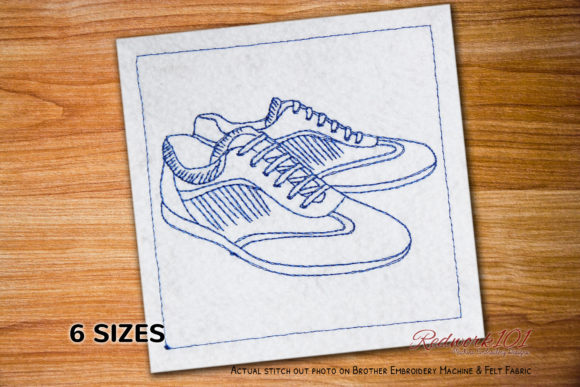
As an experienced embroidery designer, I’ve had the chance to review countless machine embroidery designs, but few stand out as clearly as Pilot Shoes Bluework. This design offers a clean, bold aesthetic that’s both versatile and easy to adapt for a variety of branded merchandise. From embroidered patches to custom apparel accents, it has potential—especially for small businesses looking to create a memorable visual identity.
First Impressions: Timeless and Professional
The name “Pilot Shoes Bluework” immediately evokes a sense of simplicity and craftsmanship. The design itself appears to be rooted in traditional bluework patterns, which are known for their elegance and minimalism. Its monochrome appeal gives it a premium, classic look that can easily transition from rustic to modern depending on how it’s applied. It doesn’t scream for attention, yet it commands presence—an ideal trait for brand identity elements.
One of the key features is the optional Box Stitch border mentioned in the product description. While this detail is shown in the example image, it's clear that the outer box can be omitted or recolored to suit the project. That flexibility is a huge plus when working with different thread colors or fabric types. The absence of complex color schemes makes this a great choice for those who want a strong logo without overwhelming stitch counts or color changes.
Real-World Application for Small Businesses
Pilot Shoes Bluework could work well in several business contexts. For instance:
- Embroidered Patches: Its simple shape and clean lines make it suitable for embroidered patches on tote bags, jackets, or aprons. As a patch, it can serve as a subtle brand marker or a standout feature, depending on placement and scale.
- Staff Uniforms: Placed as a chest logo accent or sleeve detail, this design adds a professional touch without being too flashy. It pairs especially well with neutral-toned uniforms where understated branding is preferred.
- Apron Embroidery: In a café or bakery setting, this could become a signature detail on staff aprons, reinforcing the handmade, artisanal feel of the business.
- Cap Embroidery: When used on caps, the design should be sized carefully. Due to its shape, placing it on the front might require simplification or reduction in stitch density to avoid distortion.
- Tote Bag Design: On canvas or cotton tote bags, the design shines as a central mark or corner accent. It works particularly well if your brand focuses on sustainability, local goods, or a vintage-inspired vibe.
- Work Shirts: Whether you're outfitting a boutique team or a creative studio, Pilot Shoes Bluework brings a cohesive look to workwear that feels both functional and stylish.
- Product Packaging Accents: Consider using it subtly on tags or packaging labels to maintain a consistent brand identity across all touchpoints.
- Boutique Merchandise: Handmade shops or Etsy sellers can use this design to enhance product bags, gift wrap, or even inside labels for added value and recognition.
- Customer Gifts & Event Merch: Because of its charm and versatility, this design can be adapted into small gifts like pins or mini patches for events, loyalty programs, or giveaways.
Where to Use Carefully
While Pilot Shoes Bluework is a solid embroidery file, there are a few considerations before applying it to certain items:
- Small Patch Sizes: The intricate nature of the pattern may not hold up at very tiny sizes. Always test it at 1.5 inches or smaller to ensure clarity and definition.
- Curved Surfaces: Avoid using it on curved areas like cap fronts unless the design is specifically optimized for such applications. Curvature can cause misalignment or stretching.
- Tiny Lettering: If the design includes text, check if it remains legible at reduced sizes. Tiny lettering can lose readability after embroidery.
- High Stitch Density: Some versions of this design may have dense stitching that could pucker on lighter fabrics. Monitor stitch spacing and adjust as needed.
- Detailed Outlines: The edges of the design may need reinforcement depending on fabric texture and embroidery machine capabilities.
- Textured Fabric: On materials like denim or canvas, the design may appear differently than on smoother surfaces. Test on actual fabric before mass production.
- Dark Uniforms: The default white-on-black look is striking, but if using it on dark uniforms, consider alternative thread colors for better visibility and contrast.
- Frequent Washing: For items like aprons or work shirts that undergo regular washing, ensure proper stabilizer is used during embroidery to prevent fraying or distortion over time.
Brand Identity and Customer Engagement
Bluework embroidery traditionally conveys a sense of authenticity and heritage. Pilot Shoes Bluework leverages that emotional connection while maintaining a contemporary edge. When used consistently across small business merch, it builds customer trust and enhances visual consistency.
This design can elevate your handmade product line by adding a unique touch to each item. It also increases product value through thoughtful branding details—whether it's stitched onto a tote bag, a hat, or a label. Customers tend to engage more with brands that present themselves cohesively, and this design supports that goal.
Designer Tips for Optimal Results
To get the most out of Pilot Shoes Bluework in commercial settings, here are some practical steps I recommend:
- Test in Black and White First: Since the outer box is often customizable, start with a black-and-white version to see how it reads on fabric.
- Check Small Size Performance: Resize the design to fit smaller patches or caps and evaluate whether the details remain intact.
- Review Thread Color Contrast: Ensure the chosen thread stands out against the base fabric. White thread on light backgrounds may need adjustment.
- Inspect Spacing and Layout: Make sure the design is balanced and fits well within the intended placement area.
- Confirm Hoop Size: Though not specified, hoop size is critical for large or detailed designs. Check the file requirements before finalizing production.
- Use Proper Stabilizer: Especially for stretchy or thin fabrics, using a tear-away or cut-away stabilizer will help maintain shape and quality.
- Create a Printable Mockup: Show clients how the design looks on real merchandise before approving the final digital embroidery file.
- Compare With Other Design Assets: Ensure this design aligns visually with your existing logo or other branding elements.
- Confirm Commercial Licensing: Before using it for commercial embroidery projects, verify that the file allows for multiple uses and reselling rights.
Final Thoughts for Business Use
In summary, Pilot Shoes Bluework is a strong contender for any embroidery shop or merch creator aiming to build a distinctive brand presence. Its minimalist style and adaptability make it suitable for a wide range of products—from custom apparel to event swag and customer gifts. However, due to its potential intricacy, careful planning and testing are essential to ensure it performs well in every application.
If you’re considering using this design for your small business product labels or branded accessories, I suggest starting with a sample run. Observe how it looks on different materials and in various placements. Once confident, you can confidently integrate it into your design assets for long-term brand recognition.