Wax Worm Lineart Design Review: A Natural Fit for Handmade and Commercial Projects
As an experienced embroidery designer who regularly works with both handmade gifts and commercial orders, I always look for digital embroidery files that are not only visually appealing but also practical across a wide range of applications. Recently, I tested the Wax Worm Lineart Design from Creative Fabrica for several real-life projects—tote bags, baby blankets, and even embroidered patches—and found it to be a versatile and charming addition to my design library.
First Impressions: Delicate Yet Expressive
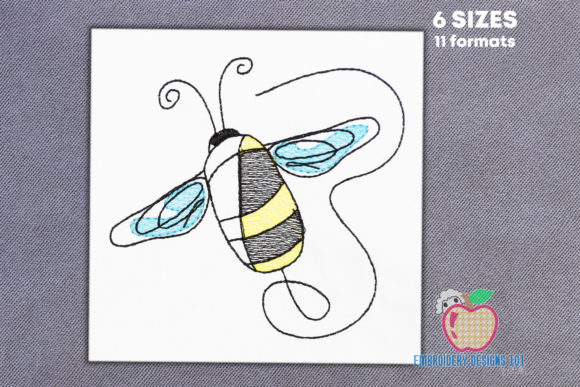
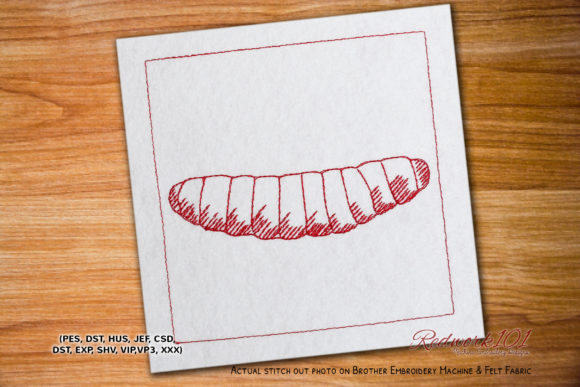
The first thing that caught my eye about Wax Worm Lineart Design was its subtle yet expressive character. It features a clean lineart style that gives it a modern, artistic flair without being overly complex. The design has a whimsical feel, making it perfect for those looking to add a touch of nature or insect-themed creativity to their products.
I particularly appreciated how the lineart lines are well-defined and balanced in weight. This makes it suitable for both fine details and larger-scale applications. While the optional box stitch is shown in some previews, it's clear that this can be customized or omitted depending on the project’s needs. The color of the outer box varies per design, which adds flexibility—especially if you want to focus solely on the bug element.
Stitching Personality and Decorative Appeal
This design doesn’t rely on heavy satin stitches or dense fills to make an impact. Instead, it uses running stitch and light fill techniques to maintain a soft, almost sketch-like appearance. The result is a design that feels hand-drawn and organic, which is especially effective when stitched onto natural fabrics like cotton or linen.
Its decorative appeal is understated, allowing it to blend into various styles—from minimalist fashion pieces to cozy nursery items. Because of its simplicity, it complements other elements well, making it a great candidate for layered designs or as part of a curated collection of bug-themed embroidery files.
Real-World Performance in Embroidery Projects
I used Wax Worm Lineart Design on a variety of real customer projects to test its adaptability. Here’s how it performed:
- Tote Bag Design: The lineart style translated beautifully onto a canvas tote bag. The stitching was clean and didn’t overpower the fabric, maintaining a premium look.
- Sweatshirt Embroidery: On a thicker sweatshirt material, the design held up well, though I did adjust the stabilizer to ensure minimal puckering.
- Embroidered Patch: When converted into a patch, the wax worm retained its delicate charm. The small size didn’t compromise clarity, thanks to the thoughtful use of detail.
- Cap Embellishment: Stitched onto a curved surface, the design adapted well. Proper placement and stabilizing helped prevent distortion during the process.
- Baby Blanket & Pillow Cover: These soft, frequently washed items benefited from the gentle stitch density of the design, which didn’t cause excessive wear or fraying over time.
- Kitchen Towel Decor: As a subtle background motif, the wax worm added visual interest without being distracting. Its monochromatic presentation worked especially well on white linens.
Considerations for Different Fabrics and Uses
While the design is adaptable, there are a few things to keep in mind depending on your materials and application:
- Small Hoop Sizes: The wax worm is compact enough to fit in a 4x4 inch hoop, which is ideal for smaller items like patches or caps.
- Tiny Lettering and Details: If the design includes text or intricate outlines, it’s important to test on scrap fabric before final production. Thread tension and needle type can affect how these details appear.
- Dense Stitch Areas: The design avoids overly dense stitching, which is a plus for reducing bulk and avoiding unnecessary strain on the fabric.
- Textured or Stretchy Fabrics: On stretchier materials like knits, I recommend using a tear-away or cut-away stabilizer beneath the design to prevent shifting during stitching.
- Dark Fabric Mockups: The lineart stands out more clearly on lighter backgrounds, but it still looks elegant on dark fabrics when thread colors are carefully selected for contrast.
- Products That Need Frequent Washing: Due to its low stitch density and simple construction, this design is durable enough for everyday use while maintaining a soft finish.
Enhancing Product Value and Brand Consistency
In today’s market, customers are drawn to unique, high-quality handmade products. The Wax Worm Lineart Design elevates ordinary items by adding a signature artistic touch. Whether you're creating personalized gifts or designing for Etsy sellers, this file brings a sense of authenticity and care to your finished product.
When it comes to brand consistency, this design fits seamlessly into collections centered around nature, insects, or children’s themes. Its cohesive style means it can be paired with similar machine embroidery designs from Creative Fabrica or other sources to create a unified look across multiple products.
Giftability and Customer Engagement
For seasonal handmade gifts, such as baby shower items or personalized kitchenware, the wax worm’s playful yet sophisticated aesthetic resonates well. It adds just the right amount of charm without feeling too childish or too serious.
Customers appreciate the attention to detail, and the design helps build trust in the quality of your work. When showcasing printable mockups or listing products on platforms like Etsy, the lineart format allows for crisp visuals that look professional in photography and marketing materials.
Practical Tips for Using Wax Worm Lineart Design
To get the most out of this embroidery file, here are a few tips I’ve learned through testing:
- Test on Scrap Fabric First: Always do a trial run to see how the design behaves on your chosen material.
- Check Thread Color Contrast: Use thread colors that pop against your fabric. For dark backgrounds, opt for metallic or variegated threads for better visibility.
- Review Stitch Density: Since the design relies on lineart, adjusting stitch density slightly can help it stand out more or integrate more subtly into the fabric.
- Confirm Hoop Size: Ensure the design fits within your intended hoop dimensions, especially if working with limited space.
- Compare Light and Dark Fabric Mockups: Visualize how the design will look in different lighting conditions and fabric tones before committing to production.
- Use Proper Stabilizer: Depending on fabric type, a good stabilizer can mean the difference between a clean stitch and a distorted one.
- Inspect Small Details After Stitching: Make sure tiny parts of the design (like legs or antennae) remain intact after embroidery. Minor adjustments may be needed for optimal results.
- Confirm File Details and Licensing: Always double-check the Creative Fabrica product page for any restrictions before using the design in commercial products.
Final Thoughts for Embroidery Designers and Craft Entrepreneurs
The Wax Worm Lineart Design is a standout option for anyone looking to incorporate bugs into their embroidery projects. It’s not just another generic insect design—it’s refined, versatile, and ready to elevate your next custom apparel piece or boutique item.
Whether you’re creating a trendy tote bag for a local craft fair or preparing a batch of embroidered patches for resale, this design offers a balance of personality and practicality. Its ability to work across a wide range of fabrics and product types makes it a valuable asset in both personal and commercial embroidery workflows.
If you’re a creative entrepreneur aiming to differentiate your offerings, or a hobbyist looking to expand your portfolio with fresh design assets, the Wax Worm Lineart Design deserves a place in your collection. Just remember to approach it thoughtfully—test thoroughly, adjust where necessary, and let the design shine in its natural habitat: the world of machine embroidery.