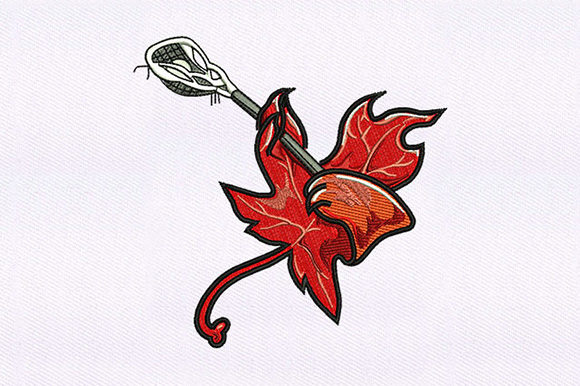
Playing Maple Leaf Embroidery Design Review
If you're prepping your craft fair booth or updating your Etsy listings with fresh machine embroidery designs, the Playing Maple Leaf design is one worth considering. As an experienced embroidery designer, I’ve tested hundreds of digital embroidery files for their visual impact and production viability—especially when it comes to creating small shop products that stand out in a crowded market. Let’s dive into what this design brings to the table and how it can elevate your handmade offerings.
A First Impression That Matters
The name “Playing Maple Leaf” immediately gives off a sense of playfulness and charm. While not overtly festive or rustic, there’s a soft, whimsical edge to it that could work well across multiple product types. The hoop size of 5×5 inches (4.84 x 4.83 in) suggests a compact but detailed design, which means it has the potential to be either a subtle accent or a bold statement piece depending on placement and scale.
With 19,276 stitches, it's clear this is a moderately dense design. That tells me it might not be ideal for every fabric type, especially if you're aiming for a light and airy aesthetic. However, it also implies that the design has enough detail to capture attention without being overwhelming—a key factor in drawing customers to your booth.
Where This Design Shines
One of the first things I noticed is how versatile Playing Maple Leaf is across different product formats. Here are some standout applications:
- Tote Bag Design: The maple leaf motif adds a cozy, autumnal feel, making it perfect for fall-themed tote bags. When placed centrally, it becomes the focal point of the bag and is instantly recognizable from a distance at a craft fair.
- Apron Embroidery: A small placement near the pocket area or as a central graphic can give your aprons a decorative yet functional twist. It looks great against cotton or linen blends, especially in lighter colors.
- Tea Towel Embroidery: If you’re selling kitchen textiles, this design works beautifully on tea towels. Its soft imagery pairs well with farmhouse or modern rustic themes, and the stitch density helps the design pop on smooth cotton fabrics.
- Embroidered Patch: This is where the design really shines. The high stitch count ensures a full, rich texture that makes for a premium patch. Customers love patches with intricate details—they add value and can be sold as standalone items or added to other products like denim jackets or backpacks.
- Fabric Pouches and Pillow Covers: The moderate size allows for thoughtful placement on these smaller items. On pouches, it adds a touch of personality; on pillow covers, it creates a cohesive look when paired with matching accessories.
Visual Appeal and Customer Engagement
When displayed in person, Playing Maple Leaf commands attention due to its balanced composition and detail-rich elements. It’s not too busy, nor is it too minimal—it strikes a middle ground that appeals to a broad audience. Whether your booth leans towards farmhouse chic or modern simplicity, this design adapts well.
Photographically, it performs admirably. The crisp edges and consistent stitch pattern make it easy to highlight in printable mockups or live photos for your Etsy seller pages. Just ensure you use proper lighting and focus on the center of the design, where the maple leaf is most prominent.
Practical Production Considerations
As a professional embroidery designer, I always evaluate how practical a design is for batch production. Here are a few notes about Playing Maple Leaf:
- Test on Scrap Fabric: Before committing to a large run, test the design on similar fabric types. Dense stitch areas may require extra stabilizer, particularly if using stretchy or thin materials.
- Thread Colors Matter: The file doesn’t specify thread colors, so it’s important to experiment with color schemes. For example, deep reds and greens will emphasize the seasonal aspect, while muted tones can give it a more subdued, elegant look.
- Spacing and Placement: Because the design is centered and symmetrical, spacing around it is crucial. Avoid overcrowding by leaving a margin of at least half an inch. This keeps the design clean and easy to understand at a glance.
- Confirm Hoop Size: At 5x5 inches, it fits comfortably in most mid-sized hoops. But if you plan to scale it up for larger tote bags or pillows, check if the file supports resizing without distortion.
- Stabilizer Requirements: Due to the stitch density, especially around the leaf’s stem and edges, using a cut-away or tear-away stabilizer is recommended. This will help prevent puckering and ensure the finished product looks polished.
- Mockup Creation: Create a real-life sample to photograph and upload as a printable mockup. Potential buyers want to see how the design translates onto actual products before purchasing.
Careful-Use Notes for Best Results
To get the most out of Playing Maple Leaf, keep these tips in mind during production:
- Dense Stitch Areas: These need careful handling to avoid over-stitching or damaging the fabric. Use a stabilizer and consider adjusting tension slightly if needed.
- Tiny Details: Depending on how the design is rendered, it may include delicate lines or shading. Always inspect the final stitched version under good lighting to confirm clarity.
- Thick or Textured Fabrics: Avoid using this design on heavy canvas or textured towels unless you adjust the stitch density accordingly. Otherwise, it may lose its crisp appearance.
- Dark Fabric Contrast: If using dark-colored fabric, ensure the thread colors provide enough contrast. Otherwise, the design might appear washed out in person or in photos.
- Cap Surfaces: Be cautious when applying this design to curved surfaces like baseball caps. You may need to rotate or adjust the design for optimal fit and visibility.
What This Design Can Sell
Handmade gifts and commercial embroidery products often rely on strong visual cues to attract buyers. Playing Maple Leaf offers just that: a classic symbol reimagined with a playful twist. It’s the kind of design that feels familiar yet unique, making it appealing to both nostalgic and contemporary shoppers.
Ideally suited for boutique makers and creative entrepreneurs who prioritize brand consistency, this design can become part of a seasonal collection. Think of pairing it with pumpkins, mugs, or cozy scenes to create a cohesive autumn lineup for your craft fair display or Etsy store.
Booth Display and Market Strategy
At a weekend craft fair, your booth needs to grab attention quickly. Playing Maple Leaf can do that when featured prominently on a tote bag or apron. Hang a couple of embroidered samples on a clothesline-style display or place them on a wooden tray with complementary items like jars or mugs. The design’s soft yet bold nature makes it a natural conversation starter.
For Etsy sellers looking to refresh their listings, this design is a solid choice. Pair it with high-quality images and a compelling product description to highlight its handmade quality and design versatility. It’s also a good candidate for upselling—offer a custom option where customers can choose thread colors or placement.
Final Thoughts for Creative Entrepreneurs
In summary, Playing Maple Leaf is a well-crafted machine embroidery design that balances detail and simplicity. It’s suitable for a wide range of craft fair products and stands out in both physical and online spaces. Whether you’re making small shop items or planning for commercial embroidery runs, this design has the potential to enhance your brand’s visual appeal and increase buyer engagement.
Remember to always review the design assets carefully. Confirm the stitch count, file format compatibility, and commercial licensing terms before producing finished products. With the right approach, Playing Maple Leaf can become a signature element in your next big sale.