Lace Corner Embroidery Design Review for Apparel Projects
As an embroidery designer with years of experience in creating boutique apparel and custom sweatshirt collections, I always look for designs that elevate the product while maintaining versatility. Recently, I came across Lace Corner on Creative Fabrica — a machine embroidery design originally intended for table linens. While it falls under the House category, its visual appeal and adaptability caught my attention immediately. Here's how I see it fitting into various apparel and accessory projects, along with some key considerations to ensure your finished product looks polished and professional.
First Impressions: A Delicate Yet Durable Design
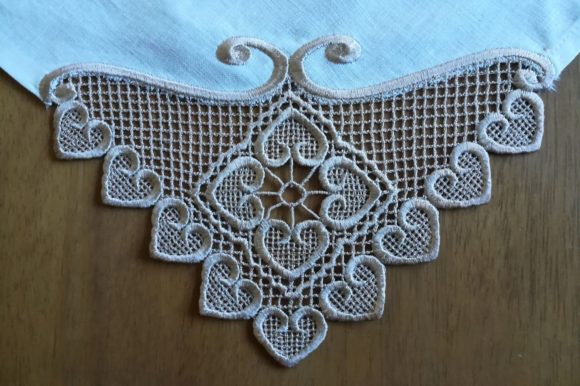
Lace Corner has a soft, intricate appearance that exudes femininity and elegance. The free-standing lace motif feels both classic and subtly trendy, making it a great fit for small shop products or handmade items targeting a lifestyle-oriented audience. It’s not overly bold or playful, but there's enough detail to suggest a premium finish without being too fussy. This makes it ideal for those looking to add a touch of sophistication to their sweatshirt embroidery or tote bag design collections.
What stands out is the decorative strength of the pattern. It doesn’t scream for attention, yet it commands presence when placed correctly. The stitching mood is refined — think high-end loungewear or curated cozy seasonal outfits rather than streetwear. The level of detail is just right for most home embroidery machines, assuming you choose the appropriate hoop size and stabilizer.
Apparel Applications: Where Does Lace Corner Shine?
Embroidery designers often struggle to find motifs that work well across different garment types and color palettes. Lace Corner surprised me by offering several placement opportunities:
- Sweatshirt Embroidery: Placed at the hem or sleeve edge of neutral sweatshirts, this design adds a subtle luxury feel. On pastel hoodies, it becomes a charming accent that enhances the overall softness of the piece.
- Hoodie Chest Placement: For boutique brands aiming to create a minimalist yet stylish look, using this as a small chest feature works well, especially when paired with muted thread colors.
- Sleeve Accents: When used sparingly on the inner or outer seam of sleeves, it can give garments a unique, handcrafted edge that sets them apart from mass-produced options.
- Back Designs: As a central back feature, it brings a romantic flair to oversized hoodies or t-shirts. Just make sure to account for fabric stretch and adjust positioning accordingly.
- Tote Bag Design: The corner motif adapts beautifully to corners of cotton or linen totes. Its delicate nature pairs well with natural fibers, enhancing the handmade product vibe.
- Boutique Merchandise: For small clothing brands, this design can serve as a signature element in collections focused on comfort and style. It’s particularly useful for lifestyle product photos where texture and detail matter.
While the design isn’t limited to dark garments, it truly comes alive on lighter shades. Darker fabrics may require brighter thread colors to maintain visibility. However, even then, the motif retains its charm and adds a layer of visual interest to commercial embroidery projects.
Design Considerations for Optimal Results
Before finalizing any placement, it’s essential to test Lace Corner on scrap fabric that mirrors your production materials. Here are a few practical notes from my testing process:
- Stabilizer Choice: Because this is a free-standing design, proper backing is crucial. Use a tear-away or cut-away stabilizer depending on your fabric’s weight and stretch.
- Thread Color Contrast: Choose thread colors that complement your fabric tone. Soft pinks, creams, and pastels enhance the feminine feel, while metallic threads can offer a more upscale twist.
- Garment Fabric Texture: Smooth surfaces like cotton blends or linen will render the design best. Avoid using it on dense stitch areas or highly textured materials unless you’re prepared to modify the embroidery file for better adhesion.
- Stretchy or Fleece Fabrics: Exercise caution on stretchy or ribbed fabrics. These can cause distortion if the hoop size isn’t properly adjusted or if stitch density is too tight.
- Dark Garments: To ensure visibility, consider adding a white underlay or selecting thread colors that pop against darker bases. Test this thoroughly before moving to bulk production.
- Curved Surfaces: The design’s angular nature means it won’t conform well to curved areas like necklines or cuffs. Stick to flat surfaces for the cleanest result.
Enhancing Brand Identity and Customer Engagement
Incorporating Lace Corner into your digital embroidery file collection can help strengthen brand identity. For Etsy sellers and handmade businesses, this kind of thoughtful detailing builds buyer trust and increases perceived value. It signals that your product is crafted with care and intention, which is especially important for small shop products where every stitch tells a story.
When used consistently across a line of sweatshirts, hoodies, or tote bags, the design contributes to visual consistency in your boutique brand. Customers begin to recognize your signature elements, which boosts product recognition and loyalty. Additionally, the motif can be leveraged in printable mockups for social media graphics or Etsy listings, helping you present your finished product professionally and attractively.
Placement Tips for Maximum Impact
Here are some specific recommendations for getting the most out of Lace Corner:
- Corner Detailing: Use it to embellish the corners of tote bags or the bottom edges of hoodies. It creates a sense of refinement and quality.
- Hem Embellishment: Though not explicitly designed for apparel, the motif could be adapted for the hem of a linen blouse or dress — a perfect example of how creativity meets function in machine embroidery design.
- Cozy Seasonal Outfits: Pair it with fall or winter-themed color palettes (muted grays, deep greens, warm golds) to craft a cohesive line of cozy seasonal apparel.
- Layered Looks: Combine it with simple text or monogram designs for a balanced, elegant aesthetic. Avoid overcrowding the space, especially in small chest placement scenarios.
When to Approach with Caution
While Lace Corner is a versatile addition to many projects, there are situations where it might not perform optimally:
- Small Areas: If you're planning a tiny lettering or small chest placement, this design might be too large or complex.
- Dense Stitch Zones: Using multiple layers of embroidery in one spot can lead to puckering or uneven results. Always inspect stitch density after testing.
- Fabric Stretch: On garments like stretchy sweaters or fleece-lined hoodies, improper tension or stabilizer can distort the lace-like effect.
- Curved or Wrinkled Surfaces: Due to its structured shape, avoid placing it on curves unless you're ready to tweak the embroidery file for curvature compensation.
Final Thoughts for Embroidery Shops and Digital Sellers
For creative entrepreneurs who want to stand out in a saturated market, Lace Corner offers a fresh way to inject personality into sweatshirt embroidery and other casual wear. Its balance between detail and subtlety makes it a strong contender for both personal and commercial embroidery use. That said, always review Creative Fabrica product details and licensing information before selling finished products to ensure compliance with usage terms.
This design is not just about aesthetics; it's about building a connection with your customers through visual storytelling. Whether you're crafting a new hoodie design or preparing a batch of tote bags for your Etsy store, Lace Corner has the potential to become a staple in your creative toolkit — provided you approach it with the right techniques and materials.